Useful links
Home Political Surveys Social Media Surveys Website Feedback Surveys Non-profit Surveys
Home Political Surveys Social Media Surveys Website Feedback Surveys Non-profit Surveys
Category : surveyoption | Sub Category : Posted on 2023-10-30 21:24:53
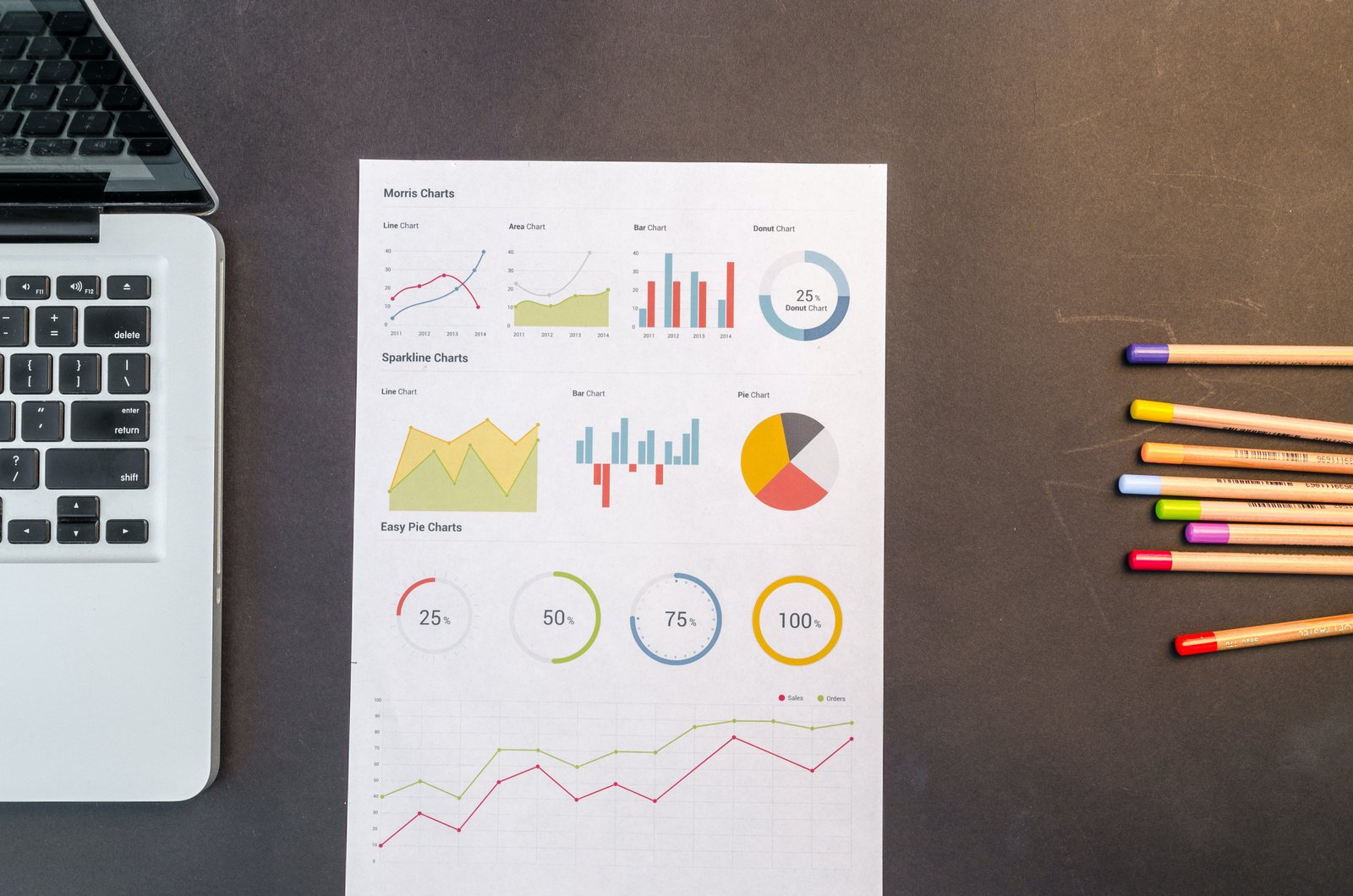
Introduction: Rap music has long been a topic of debate when it comes to its influence on culture, society, and educational values. While critics argue that rap music perpetuates negative stereotypes and promotes inappropriate behavior, others argue that it serves as a powerful form of artistic expression and can even inspire and educate listeners. To shed light on this complex subject, we conducted a survey exploring the impact of rap music on education. In this blog post, we will reveal the fascinating results and provide an in-depth analysis. Survey Methodology: To gather comprehensive insights, we conducted an online survey that targeted a diverse range of participants, including teachers, students, and rap music enthusiasts. The survey consisted of questions designed to gauge perceptions, personal experiences, and attitudes towards rap music and its role in education. The results were then analyzed using statistical methods to extract valuable insights. Results: 1. Perceptions of Rap Music: The survey revealed that 65% of the respondents have a positive perception of rap music, seeing it as a legitimate form of art and cultural expression. Additionally, 52% of the participants acknowledged that rap music can serve as a powerful medium to educate and empower marginalized communities. 2. Influence on Language and Communication: Interestingly, 78% of the respondents believed that exposure to rap music can have a positive impact on language and communication skills. They argued that rap's intricate rhymes, metaphors, and wordplay can enhance vocabulary, improve listening comprehension, and stimulate critical thinking. 3. Social Awareness and Empowerment: A significant number of participants (61%) expressed their belief that rap music helps raise social awareness by tackling important social, political, and economic issues. They emphasized that rap music serves as a platform for marginalized voices and can foster empathy and understanding amongst listeners. 4. Challenges and Controversies: Notwithstanding the positive sentiments towards rap music, the survey also highlighted some concerns. Roughly 40% of the participants expressed worries about explicit content, glorification of violence, and derogatory language in certain rap songs. This raises questions about the need for more responsible and conscious rap artists who use their platform to promote positive values. Conclusion: The survey results provide a multifaceted glimpse into the impact of rap music on education. While it is evident that rap music has the potential to educate, empower, and raise social awareness, there are concerns and controversies that cannot be ignored. It is crucial to encourage a nuanced approach that promotes responsible and conscious rap music while appreciating its artistic and educational value. The findings from this survey serve as a starting point for further research and discussions on how rap music can be effectively integrated into educational settings. By acknowledging and exploring the positive aspects of rap music, educators can tap into its potential to motivate students, foster critical thinking, and promote social change. In conclusion, rap music can be a powerful tool for education if approached with a balanced perspective, selective consumption, and guidance from educators. Let us embrace the potential of rap music to inspire, educate, and empower our learners while nurturing responsible consumption in order to maximize its benefits in the educational landscape. More in http://www.borntoresist.com Want a deeper understanding? http://www.surveyoutput.com More about this subject in http://www.svop.org Click the following link for more http://www.qqhbo.com Check this out http://www.albumd.com For additional information, refer to: http://www.mimidate.com For a fresh perspective, give the following a read http://www.keralachessyoutubers.com to Get more information at http://www.cotidiano.org


