Useful links
Home Political Surveys Social Media Surveys Website Feedback Surveys Non-profit Surveys
Home Political Surveys Social Media Surveys Website Feedback Surveys Non-profit Surveys
Category : surveyoption | Sub Category : Posted on 2024-09-07 22:25:23
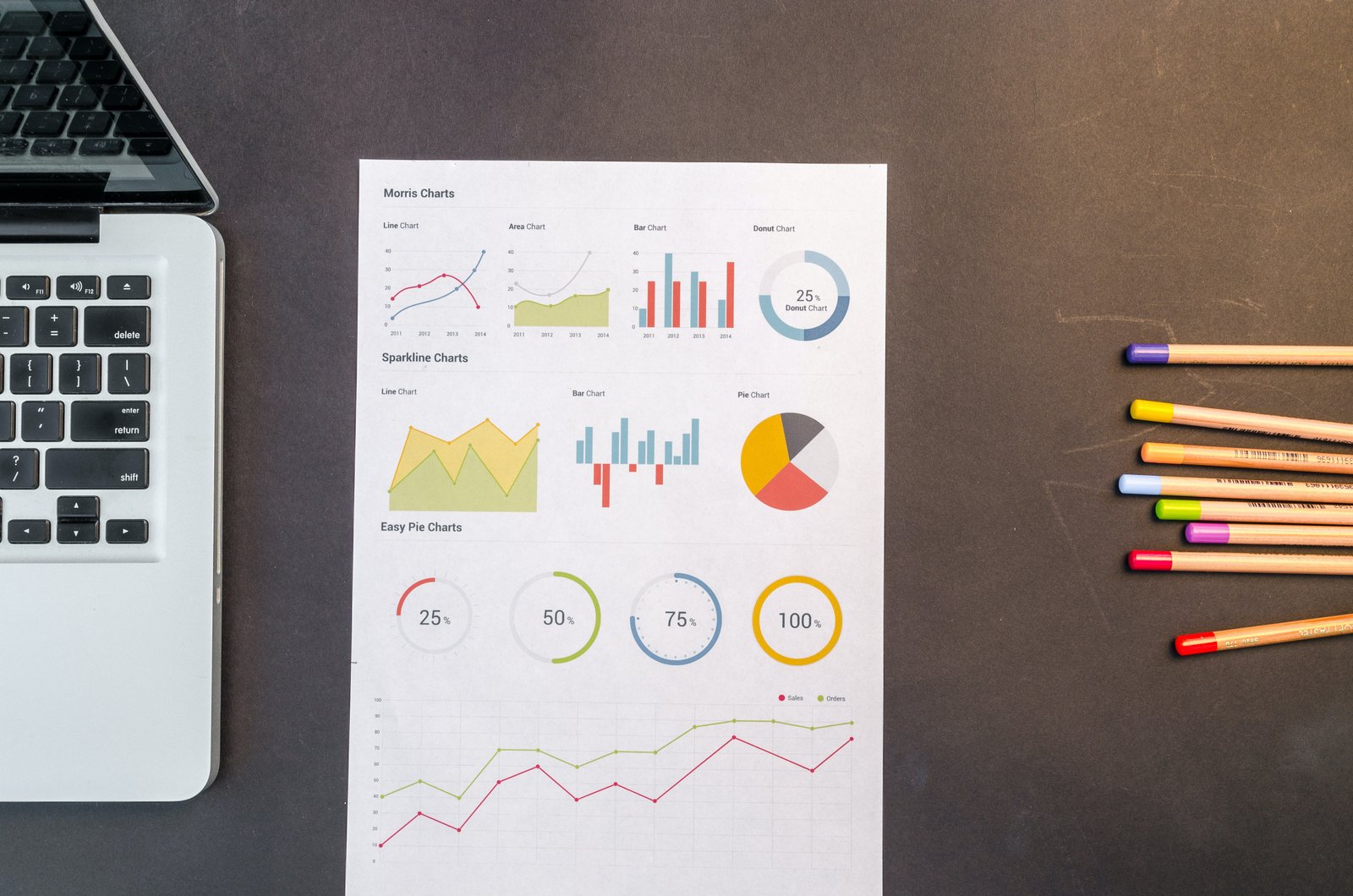
Colors hold a special significance in our lives, influencing our emotions, behaviors, and perceptions in profound ways. From vibrant reds that exude passion to calming blues that evoke tranquility, each color has the ability to evoke a unique response from us. Recently, a survey was conducted to explore how colors provoke interest and awareness among people across different demographics. The results are not only fascinating but also offer valuable insights into the psychology of color. One of the key findings of the survey was the universal appeal of certain colors. For example, blue emerged as the most popular color across all age groups and genders. Known for its association with serenity and trustworthiness, blue resonated with participants as a color that inspires confidence and reliability. Similarly, green, symbolizing growth and harmony, also garnered high levels of interest and awareness. On the other hand, colors like red and yellow elicited strong reactions due to their bold and energetic nature. Red, often associated with passion and excitement, was found to provoke a sense of urgency and intensity among respondents. Meanwhile, yellow, representing optimism and warmth, captured attention and created a feeling of happiness and positivity. Interestingly, the survey also revealed cultural differences in color perceptions. For example, while white is often seen as a symbol of purity and innocence in Western cultures, it can signify mourning and sadness in certain Eastern cultures. This variation in color symbolism highlights the importance of understanding the cultural context when utilizing colors in communication and design. Moreover, the survey data indicated that color preferences can vary based on individual personality traits. Extroverted individuals tended to gravitate towards vibrant and bold colors like orange and purple, whereas introverted individuals favored softer and more muted tones such as pastels and neutrals. These findings underscore the personalized nature of color preferences and the role they play in shaping our self-expression and identity. In conclusion, the survey results on colors and their impact on provoking interest and awareness underscore the profound influence that colors have on our perceptions and emotions. Whether it's through evoking a sense of excitement, fostering trust, or inspiring happiness, colors play a crucial role in our daily lives. By understanding the psychology of colors and their effects, we can harness their power to communicate effectively, create engaging experiences, and cultivate connections with others. Let's continue to explore the endless possibilities that colors offer in enriching our lives and shaping our world.


