Useful links
Home Political Surveys Social Media Surveys Website Feedback Surveys Non-profit Surveys
Home Political Surveys Social Media Surveys Website Feedback Surveys Non-profit Surveys
Category : surveyoption | Sub Category : Posted on 2024-09-07 22:25:23
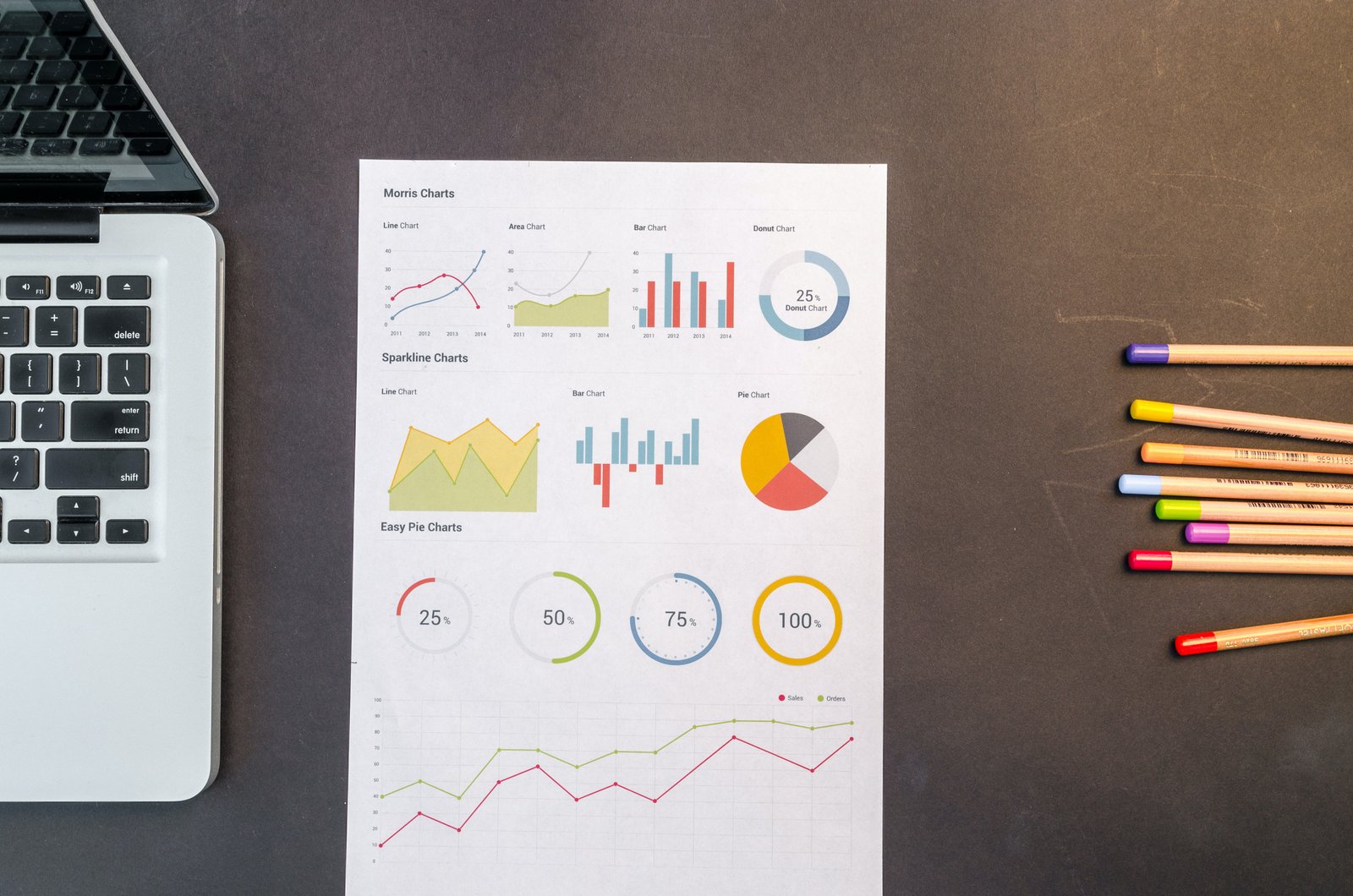
The Internet of Things (IoT) technology has revolutionized various aspects of our lives, including the political landscape. In recent years, political surveys have increasingly relied on IoT technology to gather valuable data and insights from the public. This incorporation of IoT technology in political surveys has greatly enhanced the accuracy, efficiency, and reach of such surveys. One of the key contributions of IoT technology to political surveys is the ability to collect real-time and location-specific data. IoT devices, such as smart sensors and wearable gadgets, can provide a continuous stream of data regarding people's preferences, behaviors, and sentiments. This data can offer a more in-depth understanding of voter opinions and attitudes, helping political entities tailor their messages and strategies accordingly. Furthermore, IoT technology enables political surveys to reach a larger and more diverse audience. Traditional survey methods, such as phone calls and door-to-door interviews, have limitations in terms of reach and sample size. By leveraging IoT devices, surveys can be conducted online, through social media platforms, or even through connected devices in smart homes. This ensures a broader representation of the population and a more comprehensive data set for analysis. The integration of IoT technology in political surveys also enhances the overall user experience for participants. By using interactive IoT devices, surveys can be more engaging and personalized, leading to higher response rates and more accurate data collection. Moreover, IoT technology allows for the automation of certain survey processes, making data collection faster and more efficient. Despite its numerous benefits, the use of IoT technology in political surveys raises concerns about data privacy and security. As IoT devices collect vast amounts of personal data, there is a need for robust data protection measures to safeguard individuals' privacy rights. Political entities must be transparent about the data they collect, how it is used, and ensure compliance with relevant regulations and guidelines. In conclusion, the incorporation of IoT technology in political surveys has significantly transformed the way data is gathered, analyzed, and utilized in the political sphere. By harnessing the power of IoT devices, political entities can gain valuable insights into voter preferences and behaviors, leading to more informed decision-making and targeted campaigning strategies. Moving forward, it is essential for policymakers to address privacy concerns and establish clear guidelines for the ethical use of IoT technology in political surveys. To see the full details, click on: https://www.mimidate.com Also Check the following website https://www.cotidiano.org For a broader perspective, don't miss https://www.topico.net


