Useful links
Home Political Surveys Social Media Surveys Website Feedback Surveys Non-profit Surveys
Home Political Surveys Social Media Surveys Website Feedback Surveys Non-profit Surveys
Category : surveyoption | Sub Category : Posted on 2024-09-07 22:25:23
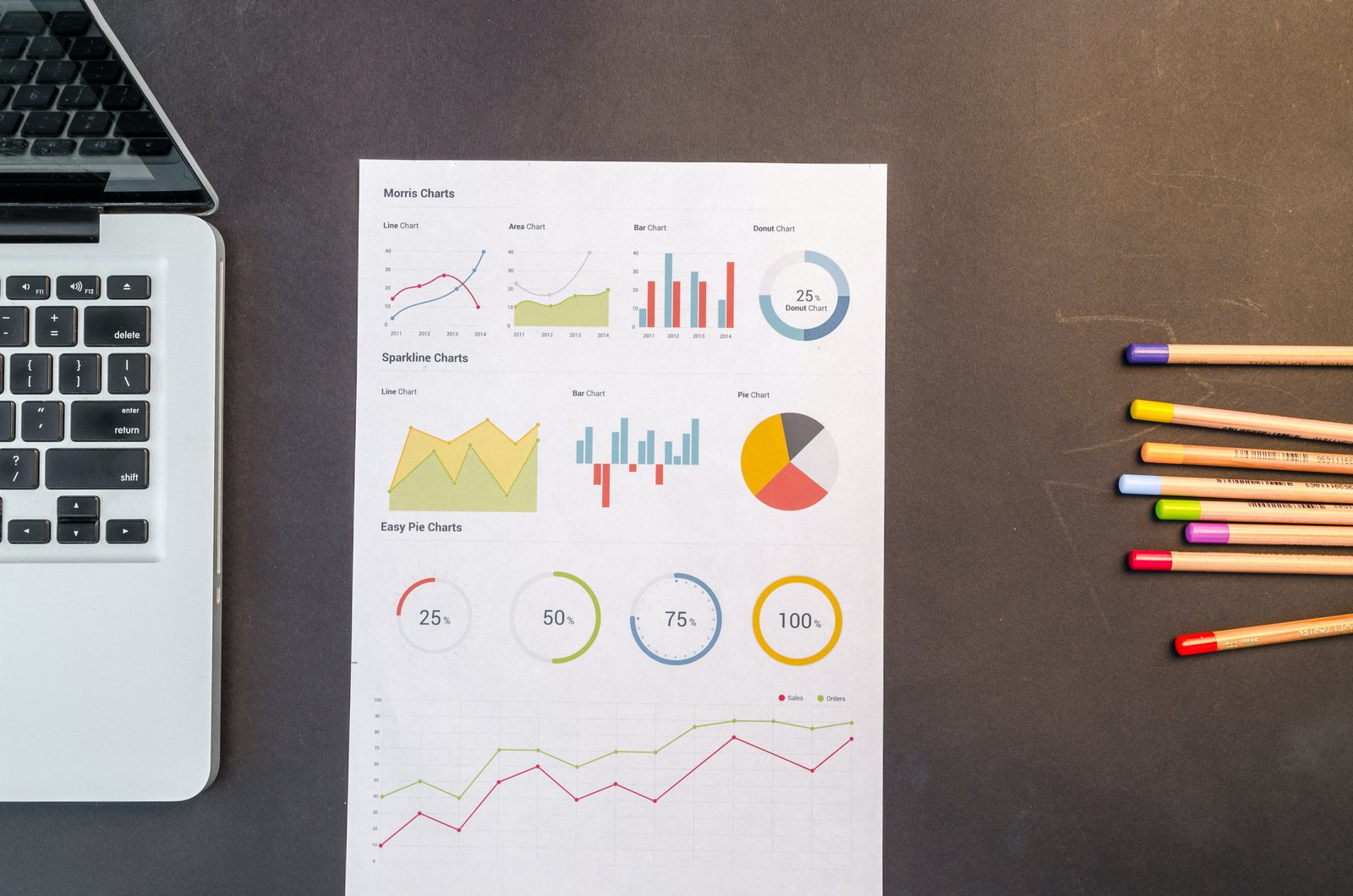
In today's increasingly interconnected world, it is crucial to consider the various perspectives and controversies that shape our understanding of different issues. Whether it is in the realms of politics, social issues, or scientific research, gathering diverse viewpoints is essential for making informed decisions and driving positive change. Surveys play a key role in capturing these perspectives by collecting data and feedback from a wide range of individuals. By participating in surveys, people can contribute their unique viewpoints and experiences, providing valuable insights that can inform policies, shape public discourse, and guide future research initiatives. Additionally, surveys can help identify trends, patterns, and disparities within society, shedding light on important issues that require attention and action. However, it is essential to acknowledge the controversies that may arise when interpreting survey data. Factors such as sample bias, question wording, and survey methodology can influence the results and potentially skew the findings. Therefore, it is important to approach survey results with a critical eye, considering the context in which the data was collected and the potential limitations of the survey design. In addition to surveys, test resources play a crucial role in assessing knowledge, skills, and abilities across various domains. From standardized tests in education to proficiency exams in the workplace, these resources provide valuable information about individuals' strengths and areas for growth. Test resources can help identify learning gaps, guide instructional strategies, and support decision-making processes related to academic and career advancement. Nevertheless, controversies surrounding test resources often center on issues of fairness, inclusivity, and validity. Concerns about cultural bias, unequal access to resources, and the overreliance on standardized testing have sparked debates about the effectiveness and equity of using tests as measurement tools. It is important to consider these controversies when using test resources and to explore alternative assessment methods that promote inclusivity and provide a more comprehensive view of individuals' capabilities. In conclusion, perspectives and controversies are inherent aspects of navigating complex issues and making informed decisions. By actively participating in surveys and critically evaluating test resources, individuals can contribute to a more inclusive and nuanced understanding of various topics. Ultimately, embracing diverse perspectives and engaging in constructive dialogues about controversies can lead to a more holistic and impactful approach to addressing challenges and driving positive change in our society.


