Useful links
Home Political Surveys Social Media Surveys Website Feedback Surveys Non-profit Surveys
Home Political Surveys Social Media Surveys Website Feedback Surveys Non-profit Surveys
Category : surveyoption | Sub Category : Posted on 2024-09-07 22:25:23
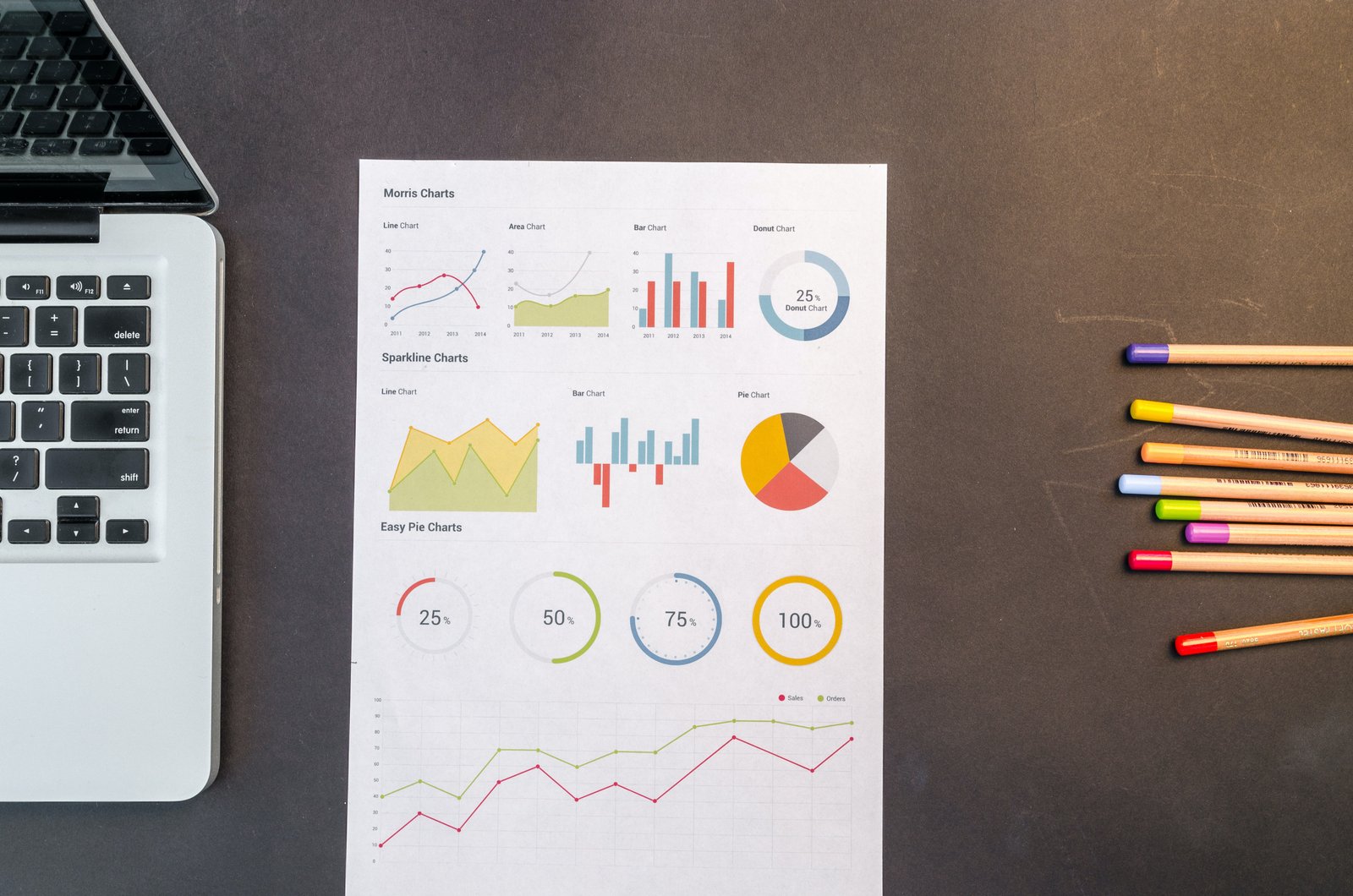
In the realm of research and data collection, surveys play a crucial role in understanding societal dynamics, economic trends, and public opinions. Pakistan, with its diverse population and complex socio-political landscape, has contributed significantly to various surveys that provide valuable insights into different aspects of the country. However, this involvement in surveys has also sparked controversies and raised important questions about methodology, representation, and impact. One of the key perspectives regarding Pakistan's contribution to surveys is the opportunity it provides to amplify voices that are often marginalized or underrepresented. Surveys conducted in Pakistan shed light on issues such as poverty, education, healthcare, and governance, providing data that can inform policies and interventions aimed at improving the quality of life for its citizens. By participating in surveys, Pakistan can ensure that its unique challenges and needs are recognized on a global scale. At the same time, controversies surrounding surveys in Pakistan highlight the complexities involved in collecting accurate and reliable data in a diverse and dynamic environment. Questions have been raised about the sampling methods used, the neutrality of survey organizations, and the interpretation of results. In a country where access to information and resources is unequal, ensuring that surveys are conducted ethically and transparently is crucial to maintaining trust and credibility. Another aspect of the controversies surrounding surveys in Pakistan is the potential for data to be politicized or misused for propaganda purposes. In a polarized political climate, survey results can be weaponized to support a particular narrative or agenda, undermining the credibility of research and analysis. It is essential for survey organizations and researchers to maintain independence and integrity in their work, prioritizing the accuracy and objectivity of their findings. Despite the challenges and controversies, Pakistan's contribution to surveys remains a valuable source of information for understanding the country's dynamics and informing evidence-based decision-making. By addressing concerns related to methodology, representation, and impact, Pakistan can enhance the quality and credibility of its survey data, ensuring that it serves as a reliable resource for policymakers, researchers, and the public. In conclusion, Pakistan's involvement in surveys offers a nuanced perspective on the country's social, economic, and political landscape, while also raising important questions and controversies that need to be addressed. By navigating these challenges with transparency, integrity, and a commitment to inclusivity, Pakistan can continue to make meaningful contributions to surveys and data collection efforts, ultimately driving positive change and progress in the country.


