Useful links
Home Political Surveys Social Media Surveys Website Feedback Surveys Non-profit Surveys
Home Political Surveys Social Media Surveys Website Feedback Surveys Non-profit Surveys
Category : surveyoption | Sub Category : Posted on 2024-09-07 22:25:23
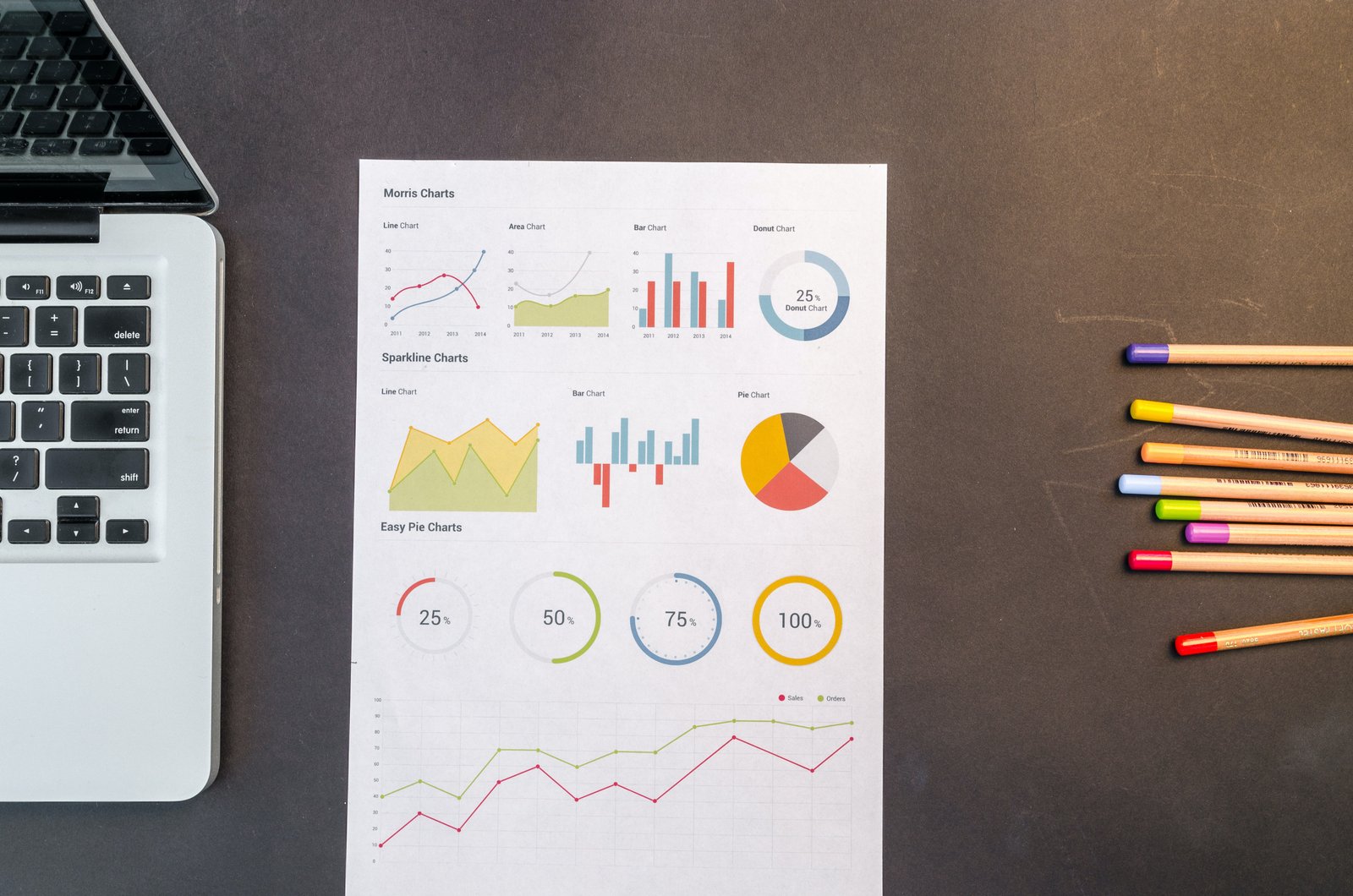
In today's digital age, the rapid spread of information through various online platforms has become a double-edged sword. While it has created opportunities for knowledge-sharing and global connectivity, it has also facilitated the dissemination of misinformation and fake news. In this blog post, we delve into the survey results regarding misinformation and critical thinking skills to gain insight into how individuals perceive and navigate this complex landscape. **Survey Methodology** A recent survey was conducted to understand people's attitudes and behaviors towards misinformation and their level of critical thinking skills. The survey gathered responses from a diverse group of participants across different age groups, educational backgrounds, and geographical locations. Participants were asked a series of questions to gauge their awareness of misinformation, the sources they rely on for news and information, and their ability to critically evaluate the credibility of sources. **Key Findings** 1. **Misinformation Awareness:** The survey revealed that a significant percentage of respondents were aware of the prevalence of misinformation online. Many expressed concerns about the impact of false information on public opinion and decision-making processes. 2. **Sources of Information:** Interestingly, the survey results indicated that participants were more likely to trust traditional media outlets and established news organizations compared to social media platforms and online blogs. This suggests that there is still a level of trust associated with traditional sources of information. 3. **Critical Thinking Skills:** When it comes to evaluating the credibility of information sources, the survey found that while some participants demonstrated strong critical thinking skills, others struggled to differentiate between reliable and unreliable sources. This underscores the importance of enhancing critical thinking skills in the age of information overload. **Implications and Controversies** The survey results raise important questions about the role of education in fostering critical thinking skills and equipping individuals with the tools to navigate the digital landscape effectively. There is a growing consensus among experts that promoting media literacy and critical thinking should be prioritized in educational curricula to combat the spread of misinformation. However, there are also controversies surrounding the regulation of online content and the balance between free speech and combating misinformation. Some argue that censorship and content moderation could infringe on individual liberties, while others stress the need for stricter measures to curb the spread of harmful misinformation. **Conclusion** As we navigate the complexities of the digital age, it is crucial to approach information consumption with a critical eye and an open mind. The survey results shed light on the importance of developing robust critical thinking skills to discern fact from fiction in an era where misinformation abounds. By staying informed, questioning sources, and honing our analytical abilities, we can empower ourselves to navigate the digital landscape responsibly and contribute to a more informed society.


