Useful links
Home Political Surveys Social Media Surveys Website Feedback Surveys Non-profit Surveys
Home Political Surveys Social Media Surveys Website Feedback Surveys Non-profit Surveys
Category : surveyoption | Sub Category : Posted on 2024-09-07 22:25:23
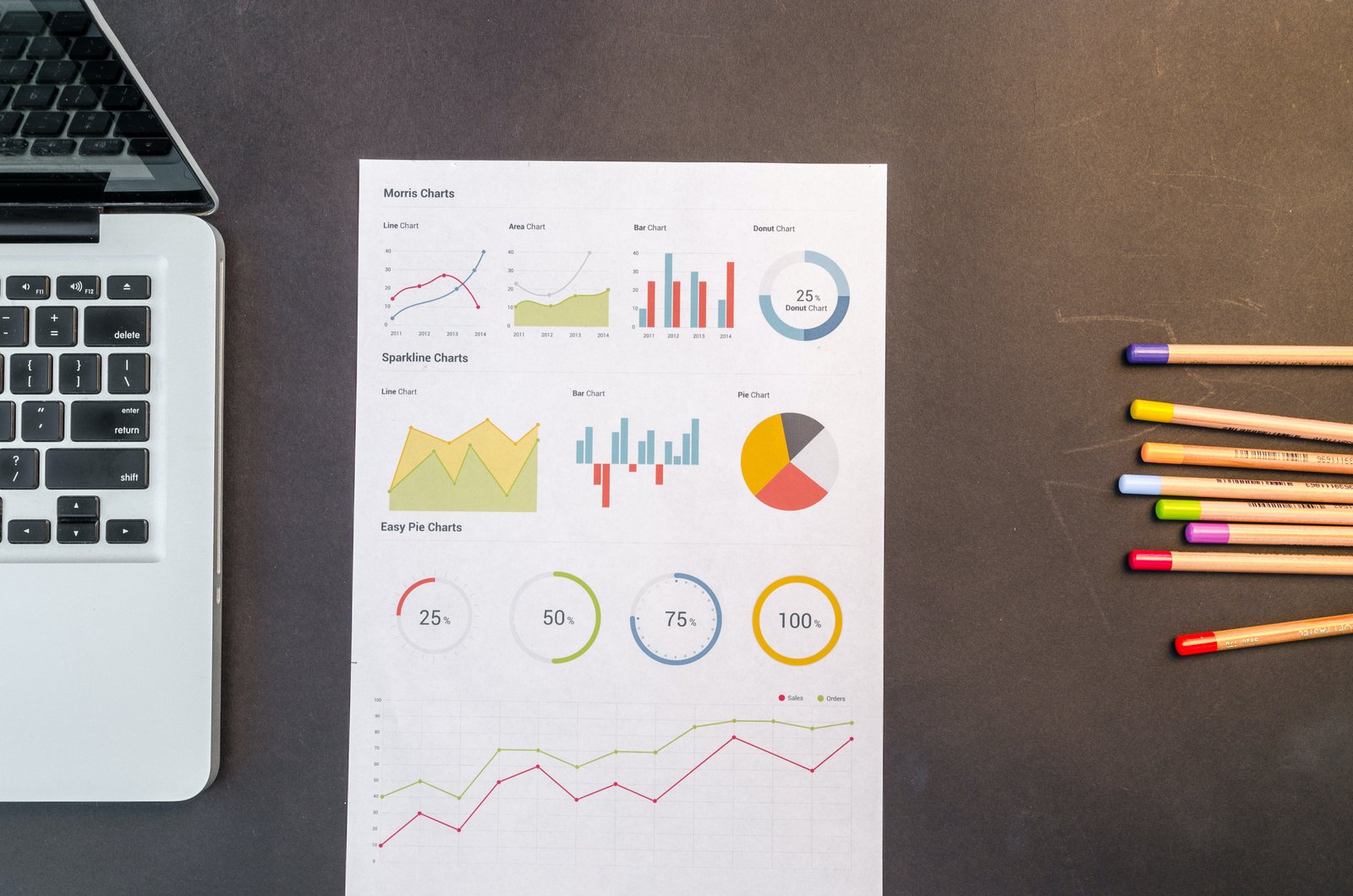
Indonesia, a vast archipelago known for its rich cultural heritage and diverse landscapes, has been making significant strides in various sectors, including survey research. Surveys play a crucial role in understanding public opinion, gathering data for decision-making, and monitoring social trends. However, like any other tool, surveys in Indonesia are not immune to perspectives and controversies that shape their contribution to the country's development. One perspective regarding surveys in Indonesia is their effectiveness in capturing the dynamic nature of society. As a populous country with over 270 million people spread across thousands of islands, surveys provide a valuable mechanism for reaching diverse voices and perspectives. By sampling a representative sample of the population, surveys can unearth insights that reflect the nuances and complexities of Indonesian society. This, in turn, can inform policymakers, businesses, and organizations in making informed decisions that resonate with the people. On the flip side, controversies surrounding surveys in Indonesia often revolve around methodology, bias, and interpretation of results. Methodological challenges such as sampling errors, question framing, and data collection techniques can cast doubts on the reliability and validity of survey findings. Moreover, the potential for bias, whether intentional or unintentional, can skew survey results and undermine their credibility. In a country as diverse as Indonesia, ensuring the inclusivity and representativeness of survey samples is crucial to mitigate biases and enhance the accuracy of insights derived from surveys. Another contentious issue related to survey contribution in Indonesia is the interpretation and utilization of survey data. Depending on who is interpreting the results, survey findings can be manipulated to suit specific agendas or narratives. This manipulation not only distorts the true picture presented by the data but also undermines the integrity of the survey process. The challenge lies in fostering a culture of transparency, accountability, and ethical conduct in survey research practices to uphold the integrity and credibility of survey findings. Despite the perspectives and controversies surrounding survey contribution in Indonesia, there is no denying the value that surveys bring to the table. From tracking social trends to informing policy decisions, surveys serve as a critical tool for understanding the pulse of the nation. Moving forward, it is essential for stakeholders in Indonesia's survey ecosystem to address the challenges and seize the opportunities presented by surveys to drive positive change and foster inclusive development. In conclusion, Indonesia's survey contribution is a double-edged sword, marked by both perspectives that highlight its significance and controversies that underscore its challenges. By navigating through these complexities with transparency, integrity, and a commitment to inclusivity, Indonesia can harness the power of surveys to drive sustainable growth and development for all its people.


