Useful links
Home Political Surveys Social Media Surveys Website Feedback Surveys Non-profit Surveys
Home Political Surveys Social Media Surveys Website Feedback Surveys Non-profit Surveys
Category : surveyoption | Sub Category : Posted on 2024-09-07 22:25:23
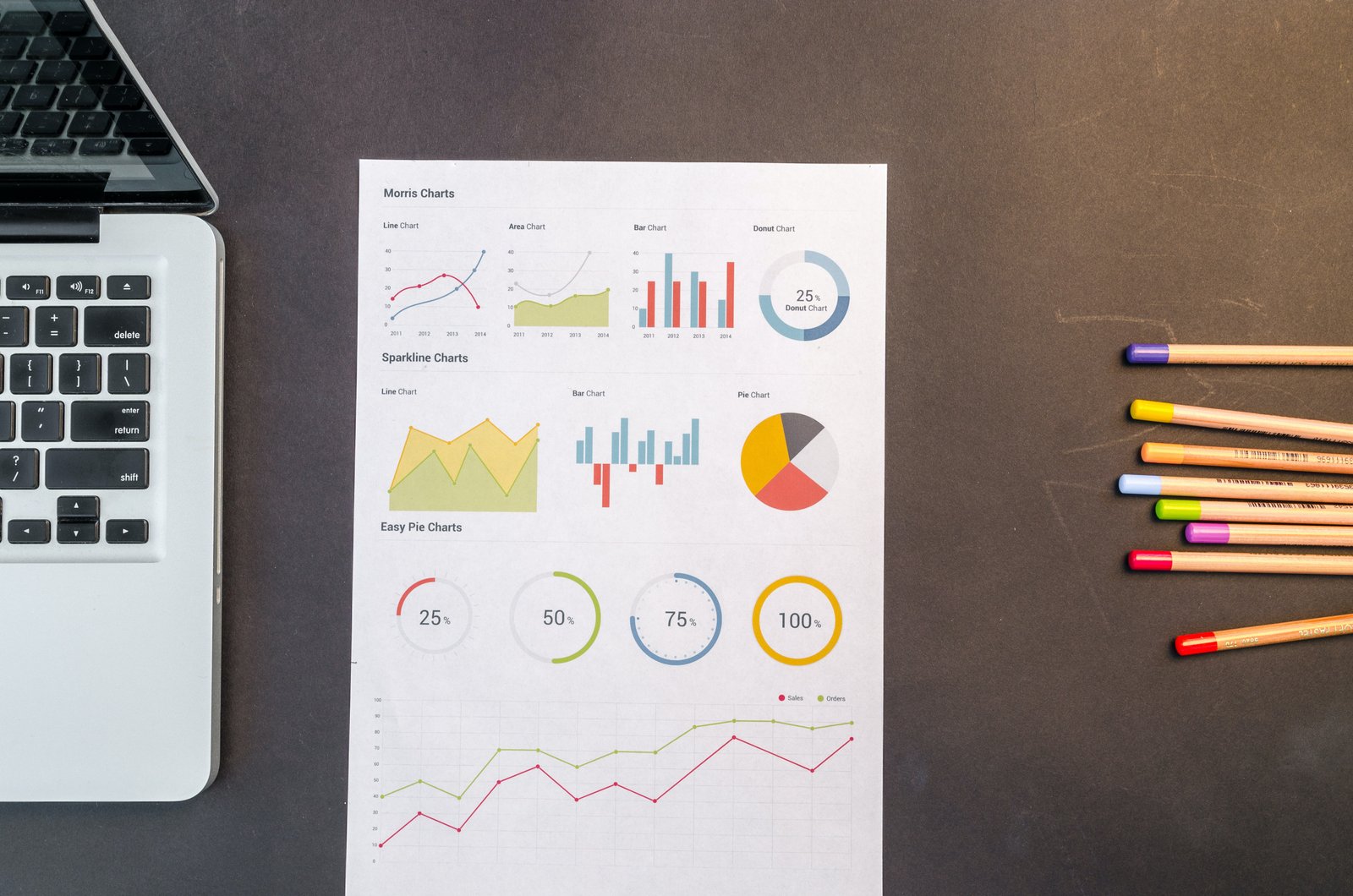
cameras have become an increasingly popular tool in surveys, revolutionizing data collection methods and offering new insights. However, their use in this context is not without controversy, with concerns about privacy, ethics, and bias. In this blog post, we will explore the different perspectives on cameras' contribution to surveys and the controversies surrounding their use. 1. Enhanced Data Collection: Cameras offer a valuable way to enhance data collection in surveys. Visual information can provide a more comprehensive understanding of a situation compared to traditional methods that rely solely on text-based responses. For instance, in retail surveys, cameras can capture real-time footage of customer behavior in stores, offering insights into shopping patterns and preferences that might be missed in written surveys. 2. Increased Engagement: The presence of cameras can also increase respondents' engagement in surveys. Visual stimuli tend to attract attention and are more likely to be remembered compared to text alone. This can lead to higher response rates and more accurate data collection, ultimately improving the quality of survey results. 3. Detecting Biases: Cameras can help detect biases that may exist in self-reported data. By capturing visual evidence, researchers can verify the accuracy of responses and identify inconsistencies or discrepancies. This can help improve the reliability and validity of survey findings, leading to more robust conclusions. Controversies Surrounding Camera Use in Surveys: 1. Privacy Concerns: One of the main controversies surrounding cameras in surveys is the issue of privacy. Respondents may feel uncomfortable being recorded, especially in sensitive or personal settings. Ensuring informed consent and protecting participants' privacy rights are crucial considerations when using cameras for data collection. 2. Ethical Considerations: Ethical considerations also come into play when using cameras in surveys. Researchers must uphold ethical standards regarding the use of visual data, including ensuring confidentiality, anonymity, and the secure storage of footage. Transparency about the purpose of recording and how the data will be used is essential to maintain trust with respondents. 3. Potential for Bias: The presence of cameras can influence respondents' behavior and responses, introducing the potential for bias in survey data. Respondents may alter their behavior or answers when aware of being recorded, leading to inaccurate or distorted results. Researchers must be aware of this possibility and take steps to minimize bias in camera-based surveys. In conclusion, cameras can significantly contribute to surveys by enhancing data collection, increasing engagement, and detecting biases. However, their use raises valid concerns related to privacy, ethics, and bias that must be carefully considered and addressed. By striking a balance between the benefits of camera technology and the ethical responsibilities involved, researchers can leverage cameras effectively in surveys while upholding the rights and well-being of survey participants.


