Useful links
Home Political Surveys Social Media Surveys Website Feedback Surveys Non-profit Surveys
Home Political Surveys Social Media Surveys Website Feedback Surveys Non-profit Surveys
Category : surveyoption | Sub Category : Posted on 2024-09-07 22:25:23
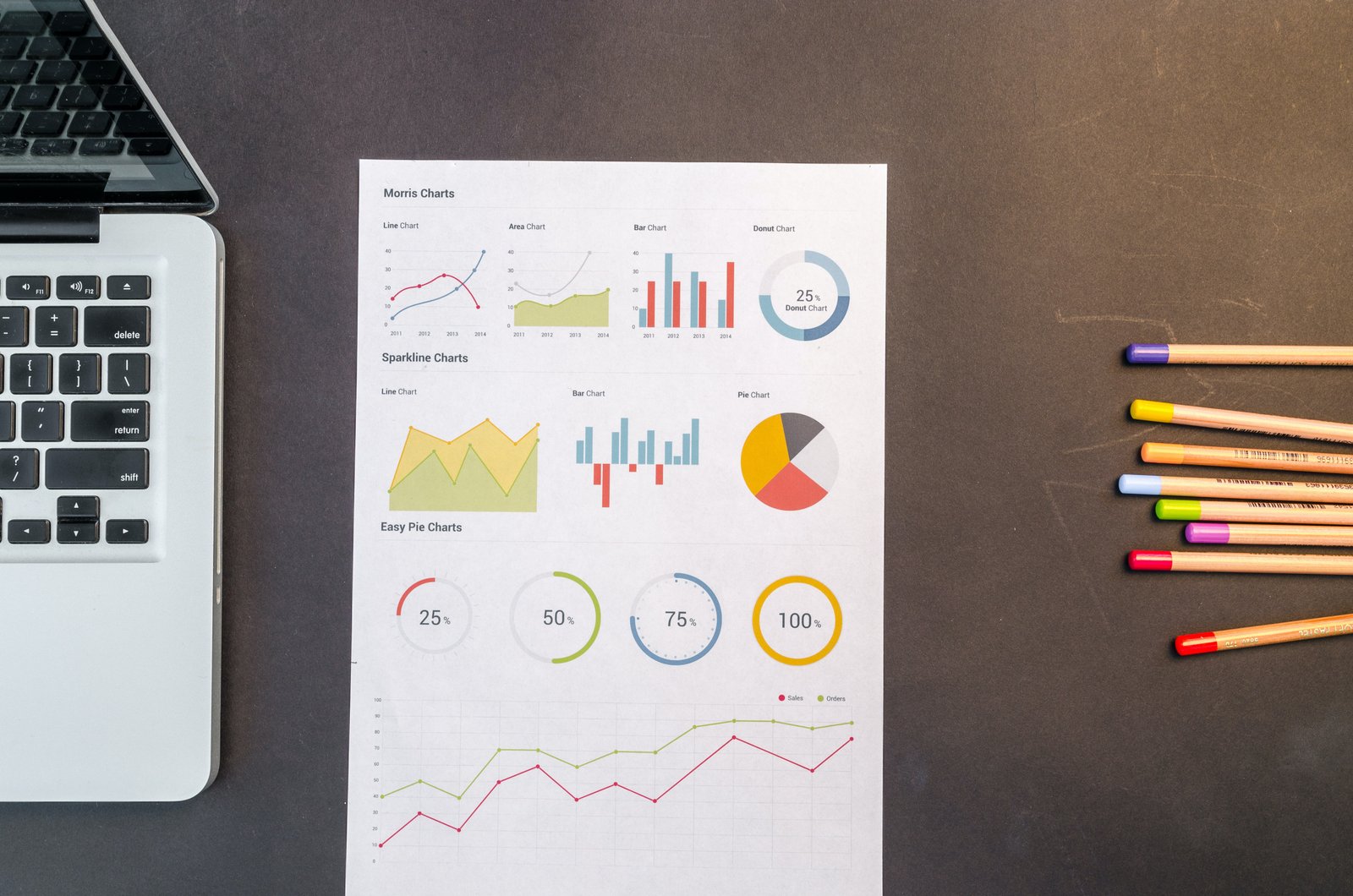
Conducting surveys and analyzing the results is crucial for gaining insights into various aspects of a country's demographics, opinions, and behaviors. In this blog post, we will explore the recent survey results in Pakistan, highlighting key findings and discussing the implications of these findings. **Demographic Trends** The survey results reveal some interesting demographic trends in Pakistan. The population is predominantly young, with a significant percentage falling within the age range of 15-40 years. This youthful demographic presents both opportunities and challenges for the country's future development. **Economic Indicators** The survey also provides insights into the economic conditions in Pakistan. Unsurprisingly, income inequality remains a significant issue, with a significant portion of the population struggling to make ends meet. The data underscores the importance of policies aimed at promoting economic growth and reducing poverty. **Political Sentiments** Political sentiments among Pakistanis are diverse and complex, as reflected in the survey results. While some express confidence in the current government's ability to address key issues, others are skeptical about the efficacy of governmental policies. Understanding these varying viewpoints is essential for fostering a more inclusive and participatory political environment. **Social Issues** The survey sheds light on prevalent social issues in Pakistan, such as access to education, healthcare, and clean water. The data underscores the need for targeted interventions to address these challenges and improve the overall quality of life for Pakistani citizens. **Implications for Policy and Action** Analyzing the survey results provides valuable insights for policymakers, researchers, and civil society organizations working in Pakistan. By understanding the key findings and implications of the survey data, stakeholders can develop evidence-based strategies and initiatives to address pressing issues and foster sustainable development in the country. In conclusion, the survey results in Pakistan offer a wealth of information that can inform decision-making and shape the country's future trajectory. By paying attention to demographic trends, economic indicators, political sentiments, and social issues highlighted in the survey, stakeholders can work towards building a more prosperous and equitable society for all Pakistanis.


