Useful links
Home Political Surveys Social Media Surveys Website Feedback Surveys Non-profit Surveys
Home Political Surveys Social Media Surveys Website Feedback Surveys Non-profit Surveys
Category : surveyoption | Sub Category : Posted on 2024-09-07 22:25:23
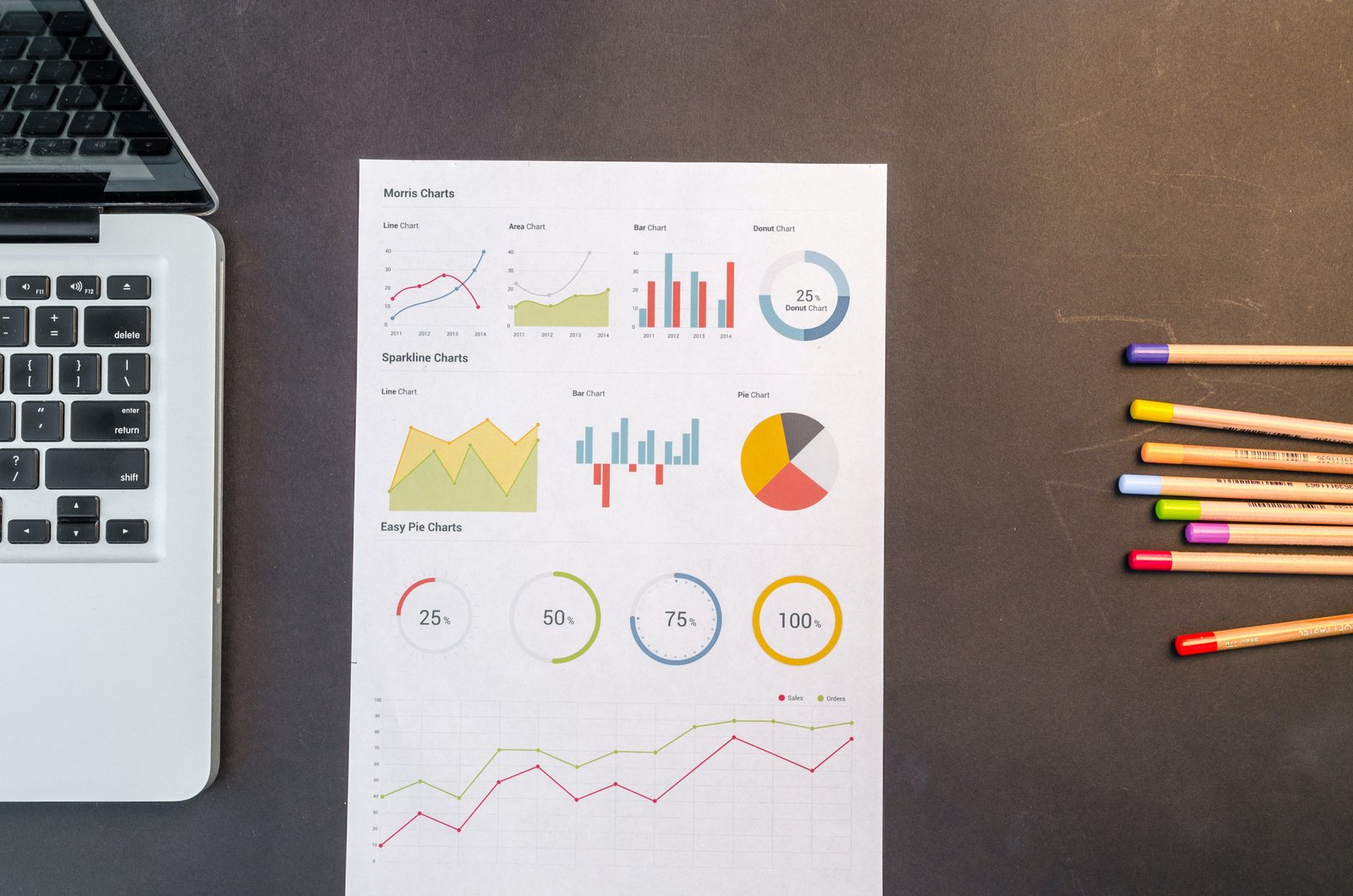
Pakistan, a country known for its rich history, diverse culture, and growing economy, has been the subject of various surveys and studies aimed at understanding its economic welfare theory. These surveys provide valuable insights into the economic well-being of the nation and its people, shedding light on the challenges and opportunities that lie ahead. One of the key aspects of economic welfare theory is the measurement of a nation's standard of living and overall welfare. In Pakistan, this is often assessed through indicators such as GDP per capita, poverty rates, income distribution, and access to basic services like healthcare and education. Surveys conducted in the country have revealed both progress and areas of concern in these areas. One of the positive results highlighted in surveys is the steady growth of Pakistan's GDP over the years. This growth, driven by sectors such as agriculture, manufacturing, and services, has helped to lift many out of poverty and improve living standards for a significant portion of the population. However, challenges remain in terms of income inequality, with wealth disparities persisting between different regions and socio-economic groups. Another important aspect of economic welfare theory is the measurement of social welfare, which goes beyond income levels to encompass factors like health, education, and overall quality of life. Surveys in Pakistan have shown improvements in areas such as access to healthcare and education, with increased enrollment rates and better healthcare facilities contributing to the overall well-being of the population. Despite these positive findings, surveys also highlight some persistent challenges facing Pakistan in terms of economic welfare. Issues such as high levels of poverty, unemployment, and underemployment continue to impact a significant portion of the population, particularly in rural areas and among vulnerable groups. In addition, infrastructure deficiencies, inadequate access to clean water and sanitation, and environmental degradation pose further challenges to the country's economic development and welfare. Moving forward, it is crucial for policymakers in Pakistan to address these challenges and build on the positive results highlighted in surveys to ensure sustainable and inclusive economic growth. By implementing policies that promote equitable development, improve social services, and create opportunities for all, Pakistan can work towards enhancing the economic welfare of its people and achieving long-term prosperity. In conclusion, surveys on Pakistan's economic welfare theory provide valuable insights into the country's progress, challenges, and opportunities for growth. By taking into account these results and addressing key issues affecting economic well-being, Pakistan can strive towards a more prosperous and equitable future for all its citizens.


